Taking Stock at Tweed Museum of Art
University of Minnesota Duluth; MN: Fall 2017
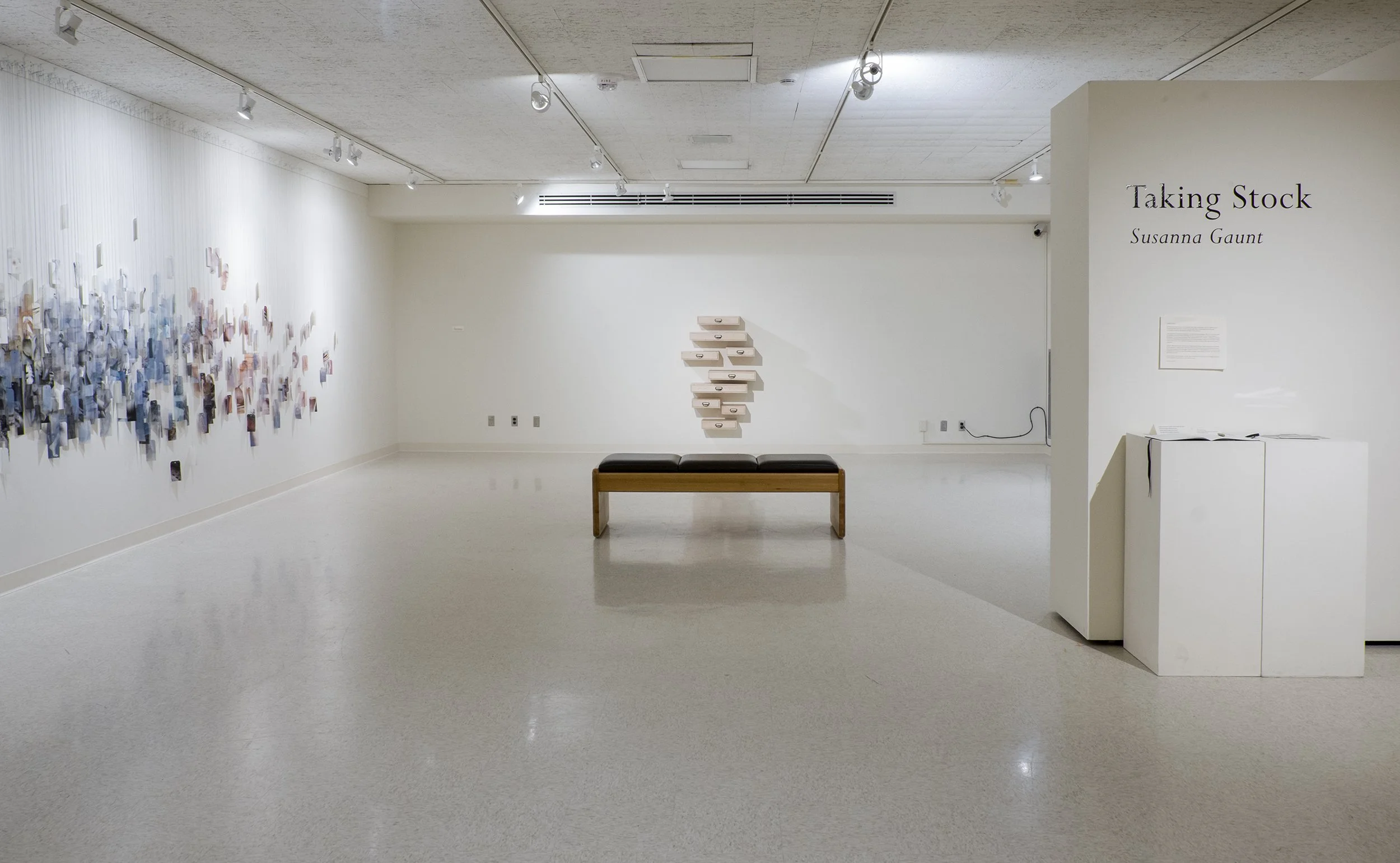
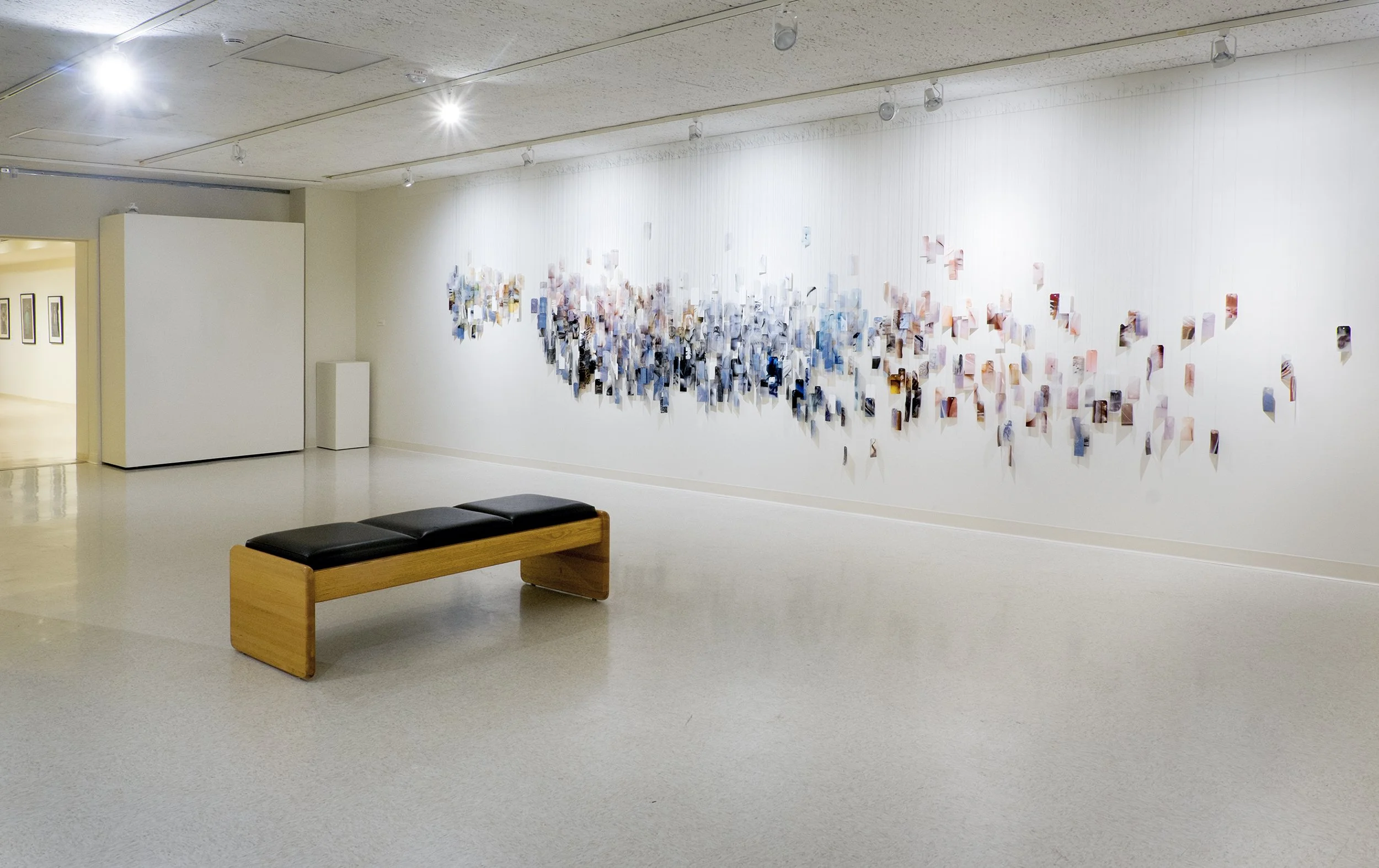
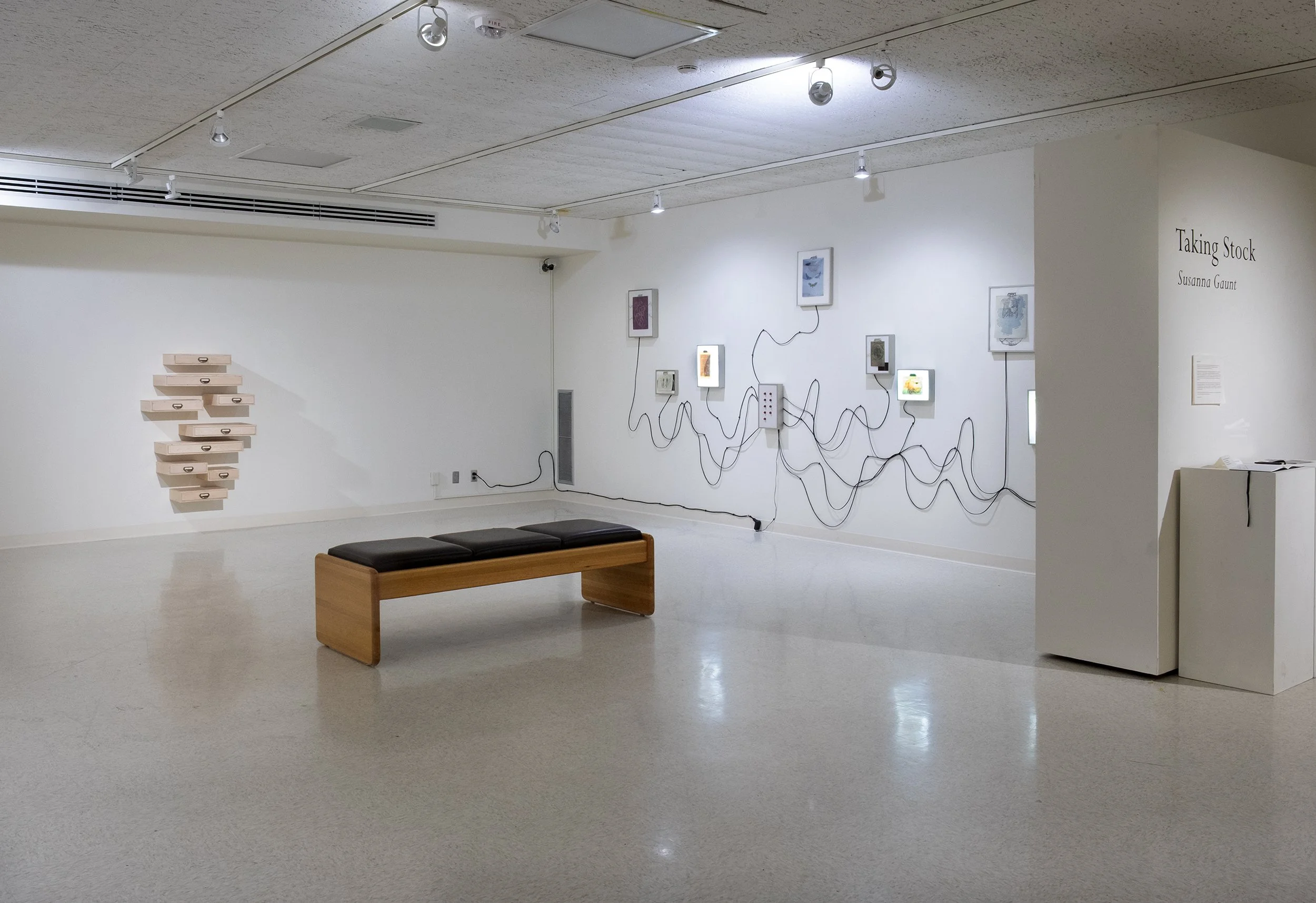
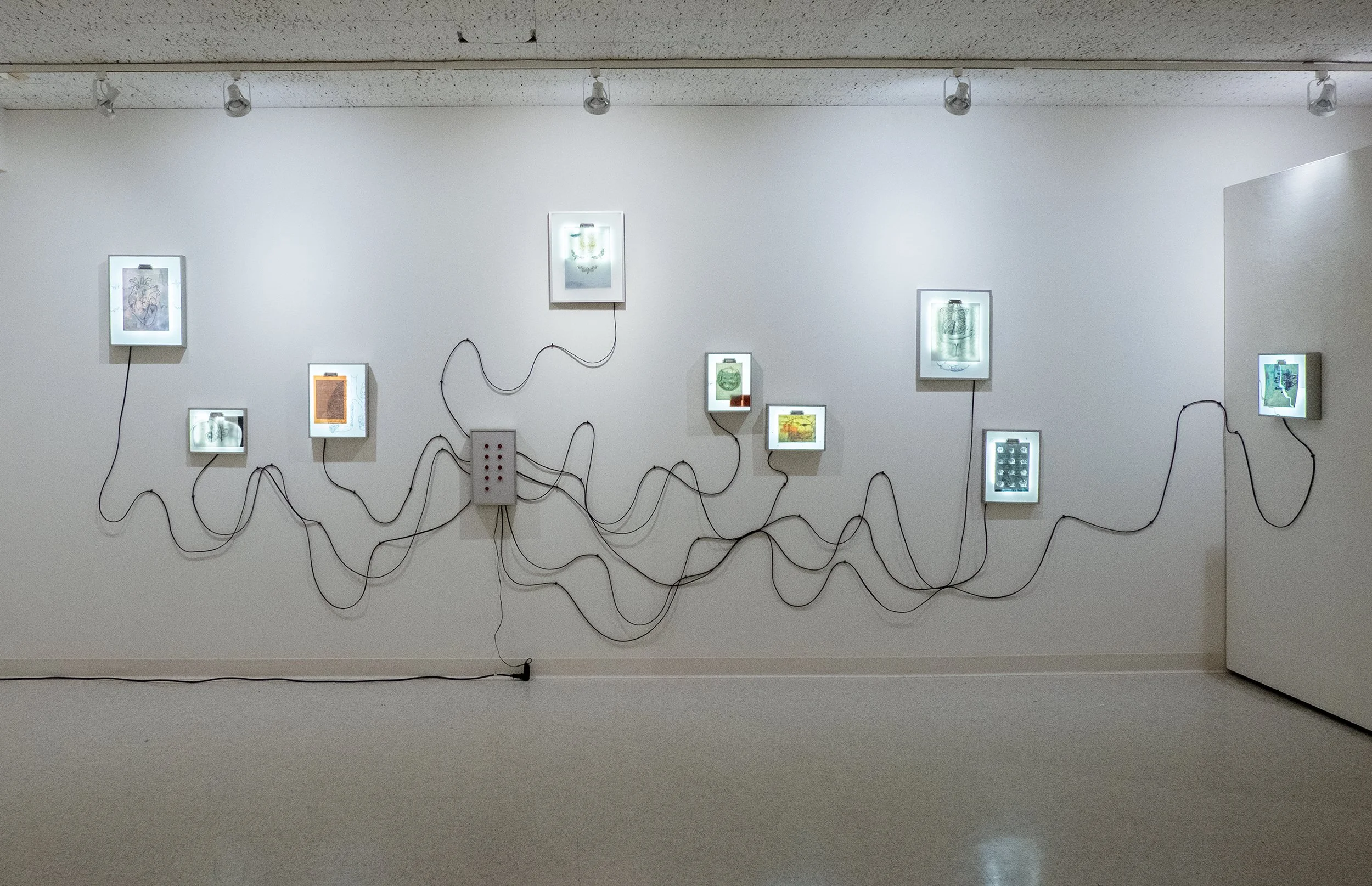
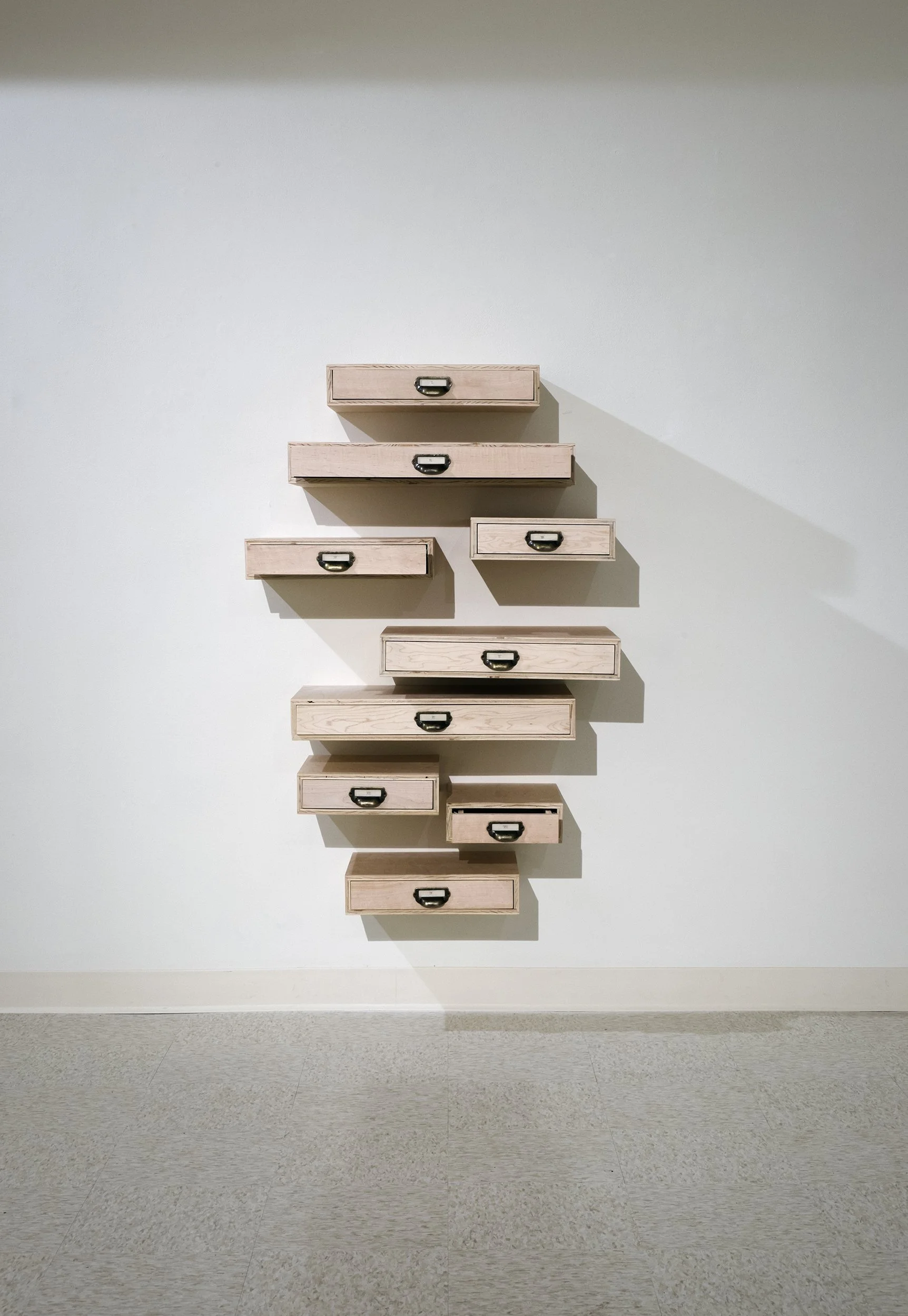
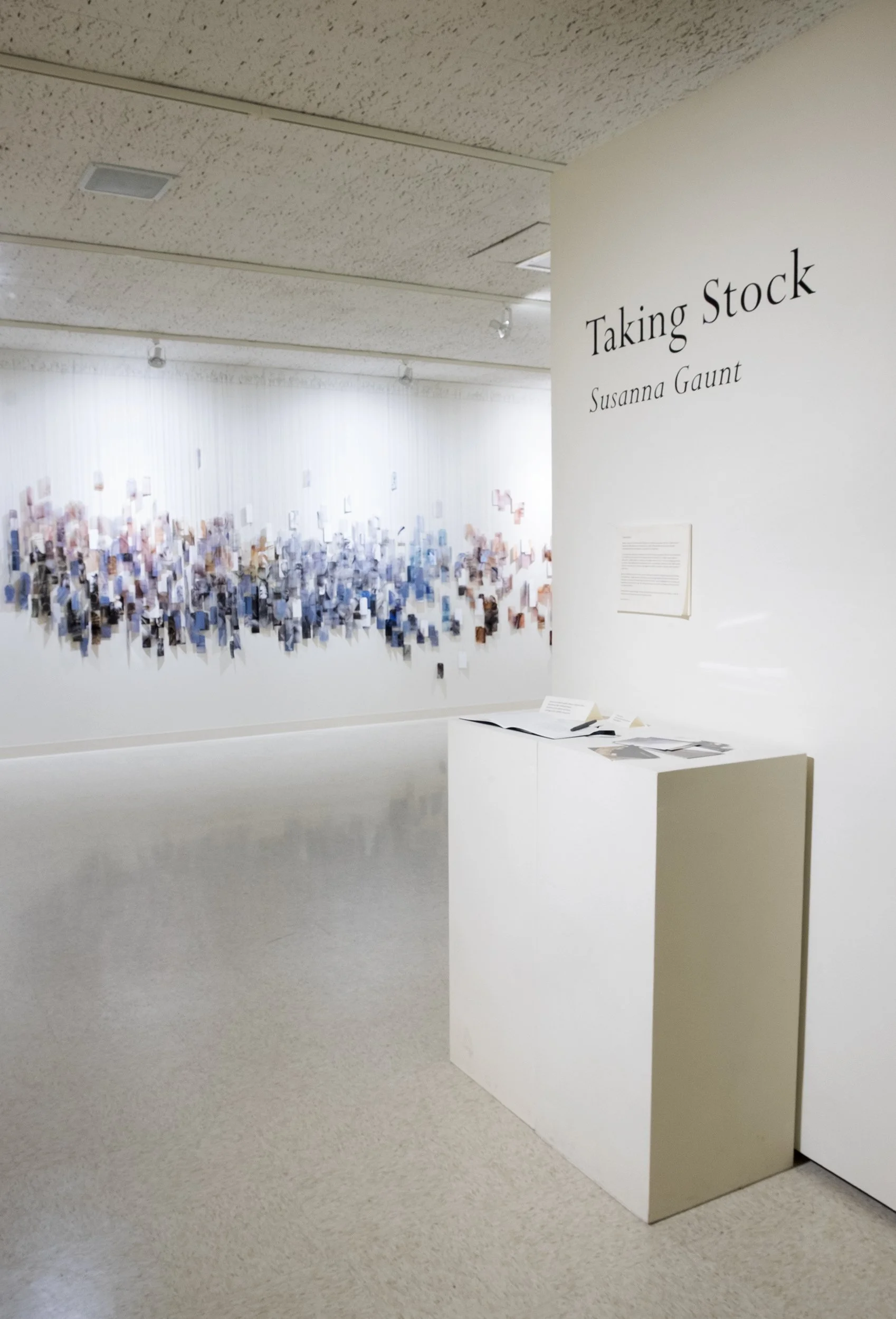
In 2012, my family moved to Duluth, ready to set some roots. The kids were old enough to start school, so I figured I’d go back too - this time to explore a variety of mediums beyond photography (where my career had been for 2 decades). I enrolled in the studio art program at University of Minnesota Duluth, and by year two, figured I’d see the degree through. My “Taking Stock” capstone exhibit began the early stages of this body of work that continues to grow and develop over time.
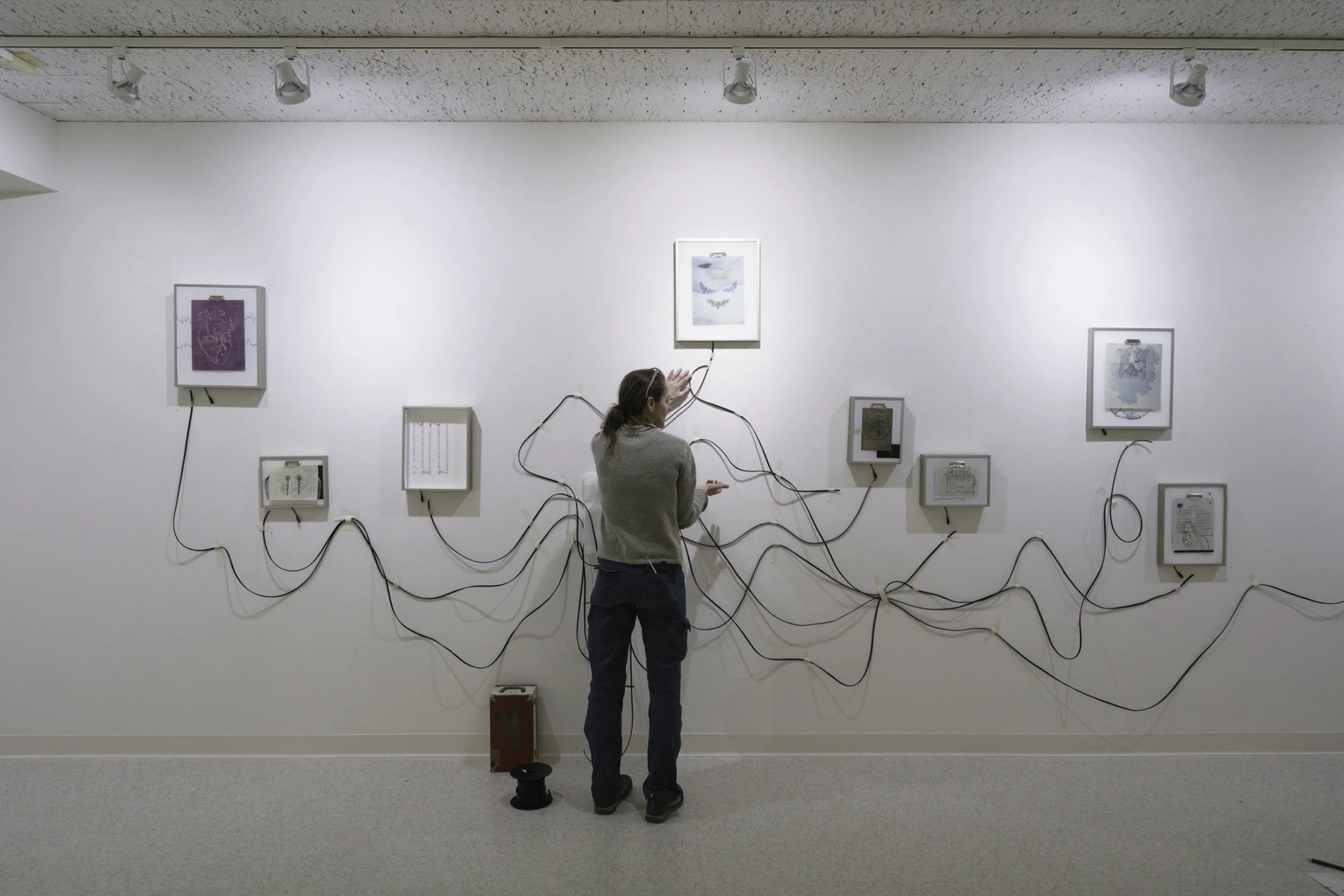
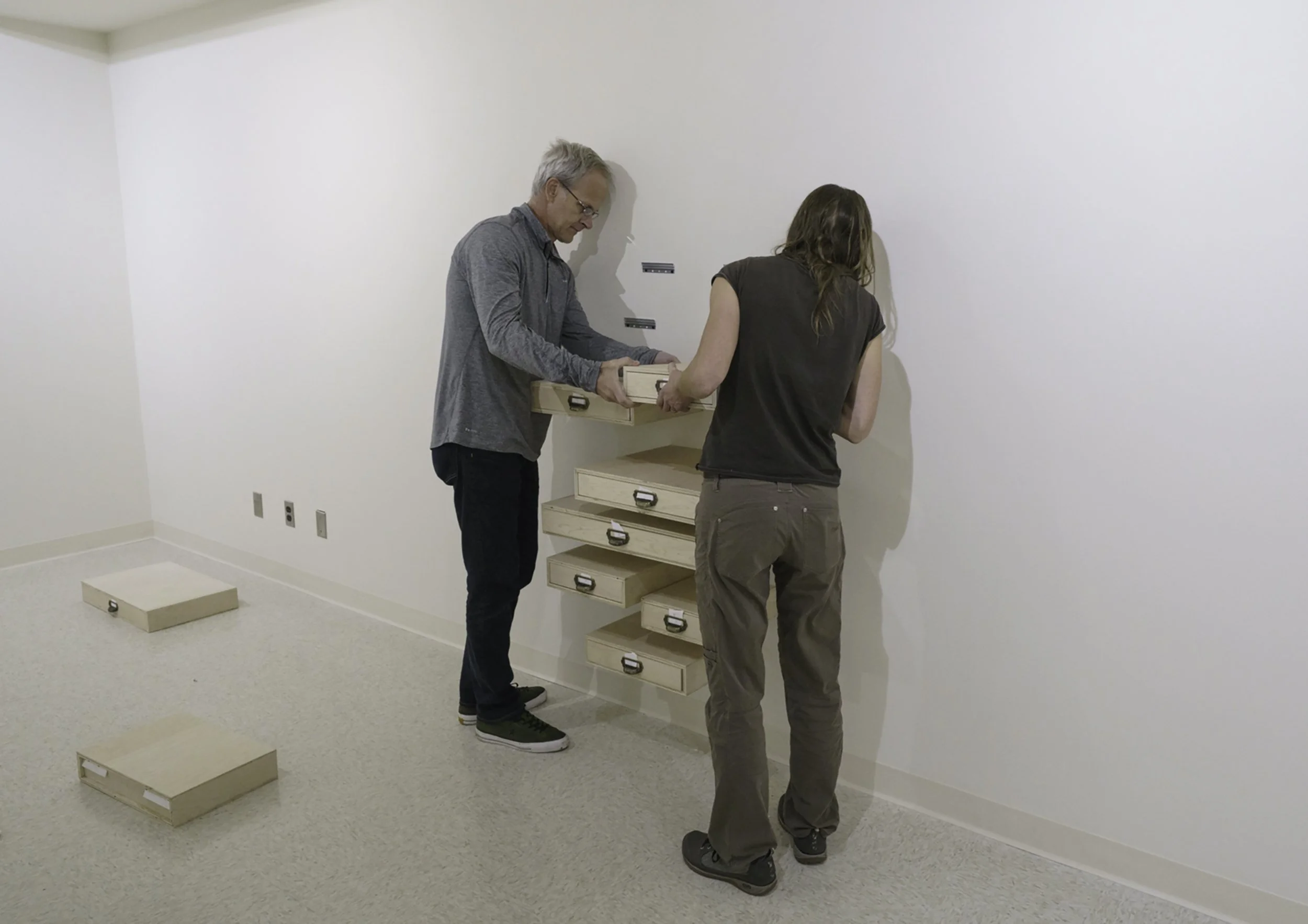
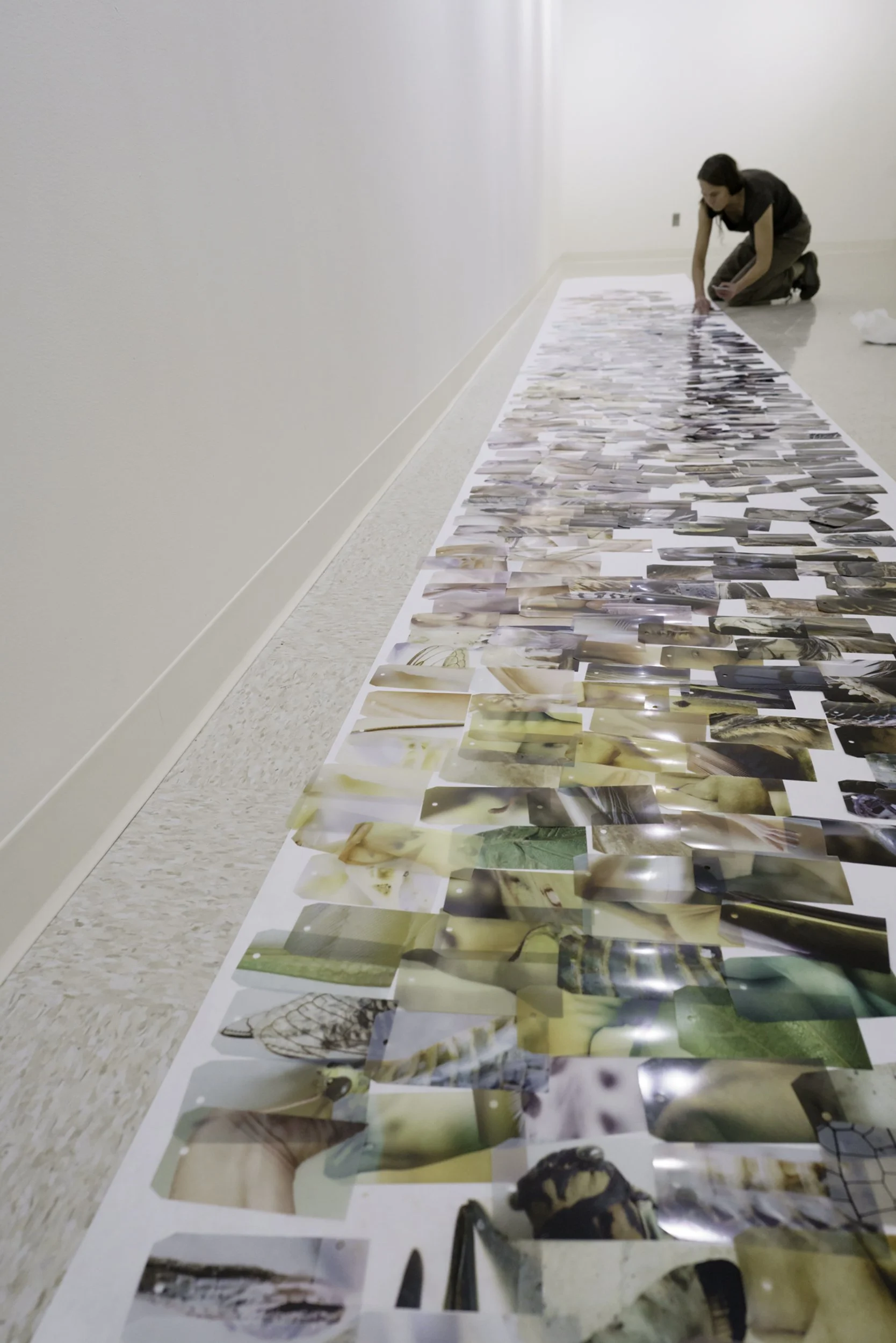
While I graduated in Drawing, Painting and Printmaking, I found I was drawn to mixed media installation art and working in series with multiples of a given form. Installations take more time setting up in each unique space but the process brings out different creative skills that I find motivating.
Artist Statement for “Taking Stock:”
Mortality comes at the conclusion of life. Mortality is also defined as humanness. How do we make the most of being human while aging moves us towards that end result. While our bodies become more vulnerable, our mind gains perspective from the accumulation of our experiences.
I am obsessed with collecting natural specimens, and with this comes an uneasiness. Why do I covet a beaver skull for my family (even if it was found in the inelegant location of a county dump)? A desire to amass artifacts is nothing new – curiosity cabinets, for instance, were a popular pasttime in the 17th century. A cataloguing of artifacts can increase understanding of both the wider world, and our own physiology. Collections can also satisfy a need for control. For some, they can be a diversion from aging and mortality, an attempt to cheat time under the pretext of preservation.
Specimen collecting becomes the artistic venue for exploring the humanness of aging, both personal and universal. In the installations, I tangle taxonomy with human anatomy, drawing inspiration from historical illustrations and those curiousity cabinets. The human figure is pinned in the drawer, a moth is highlighted by an xray, human and animal details are inventoried on tags. The exchange encourages a deeper look at all aspects of our treatment of the natural world and ultimately ourselves.
A friend calls these natural finds gifts. As these collected treasures work their way into my art making, I see the value in her viewpoint. A collection can expand the child-like wonder. Now older, I recognize how this encourages awareness: How do I move through the world and life; How do I want to move through the world and life?
Video produced by
UMD’s School of Fine Arts